|
IN BRIEF
|
Home cooking is a pivotal component in fostering better health and enhancing overall wellbeing. Preparing meals from scratch allows individuals to have control over the nutritional content of their dishes, which can lead to consuming fewer calories and less sugar. Ultimately, those who frequently engage in cooking at home tend to enjoy a healthier diet compared to those who opt for dining out.
Moreover, the act of cooking itself can serve as a form of stress relief and creativity, providing a fulfilling outlet that can boost mental health. Sharing homemade meals with family and friends fosters social connections that can help combat feelings of loneliness—a significant factor linked to various health issues, including depression and heart disease.
In addition to the numerous health benefits, home cooking can also be a financial savior, as it typically costs less than frequent dinners out. This multifaceted recipe of nutritional, financial, and emotional benefits positions home cooking as a key ingredient in the quest for better health and holistic wellness.
In today’s fast-paced world, where convenience often trumps quality, home cooking has emerged as a beacon of hope for those seeking to improve their health and wellbeing. This article delves into the myriad of advantages associated with preparing meals at home, from enhancing nutrition and boosting mental health to fostering stronger connections with family and friends. As we explore these benefits, we will uncover why embracing home cooking can serve as a transformative practice for a healthier lifestyle.
Nutritional Advantage of Home Cooking
One of the primary benefits of home cooking is the nutritional edge it provides. When you cook at home, you have complete control over the ingredients that go into your meals. This allows you to choose fresh, whole foods that are packed with nutrients, while minimizing additives, preservatives, and unhealthy fats commonly found in processed foods.
Research indicates that individuals who frequently prepare their meals at home tend to consume fewer calories and less sugar than those who eat out more often. A study from Johns Hopkins University highlights that regular home cooks are more likely to enjoy a balanced diet. By selecting quality ingredients, they can effectively manage their daily caloric intake and improve their overall health.
Enhanced Mental Wellbeing
The act of cooking itself can contribute significantly to mental wellbeing. Engaging in culinary activities has been linked to reduced stress and increased happiness. The process of preparing a meal can be meditative and fulfilling, allowing individuals to take a break from their daily stresses and focus on something creative.
Moreover, the mental health benefits of cooking extend beyond its therapeutic qualities. Sharing meals with family and friends can foster a sense of belonging and connection. It is during these moments that bonds are strengthened, memories are created, and feelings of isolation might be diminished. As noted by Verywell Mind, social interactions during meal preparation and consumption can alleviate symptoms associated with loneliness and depression.
Financial Savings Through Cooking
Another compelling reason to embrace home cooking is the potential for substantial cost savings. Eating out or purchasing pre-packaged meals often comes with a hefty price tag. In contrast, cooking at home allows you to stretch your budget while enjoying satisfying, nutritious meals. By planning meals and purchasing ingredients in bulk, you can significantly reduce food costs.
Furthermore, making the conscious choice to prepare meals at home rather than dining out or ordering takeout can lead to healthier eating habits. This not only benefits your wallet but also your waistline, as home-cooked meals often contain fewer calories and less unhealthy fat. Studies confirm that those who cook regularly tend to spend less and eat better. For instance, insights from various analyses, including one accessible at IJBNPA, reinforce this economic advantage.
Control Over Ingredients
When you cook at home, you are the architect of your meals. This means you can adjust recipes according to your dietary preferences and restrictions. Whether you’re looking to cut down on sodium, incorporate more vegetables, or avoid common allergens, home cooking gives you the power to curate meals that meet your unique needs.
This level of control is especially beneficial for those managing chronic conditions, as it allows them to craft meals that support their health goals. With more people becoming aware of issues such as food allergies and intolerances, the ability to oversee ingredient selection has become increasingly critical. Detailed guides on understanding common food allergies highlight the importance of knowing what goes into your food.
Fostering Healthy Eating Habits
Regular home cooking encourages the establishment of healthy eating habits. The process of meal preparation can stimulate creativity and inspire individuals to experiment with new foods, flavors, and cooking techniques. This exploration can lead to the development of an expansive palate that appreciates diverse cuisines and ingredients.
Through cooking, you can create delicious, nutritious meals that become ingrained as habits, encouraging you to reach for the homemade option rather than the convenient but unhealthy alternatives. Recipes that focus on simple preparation can ease the transition from pre-packaged meals to wholesome home-cooked dishes, contributing to a more sustainable and health-conscious lifestyle.
Improved Digestive Health
Home cooking can also foster better digestive health. Preparing meals at home allows for the usage of fresh ingredients, which are often rich in dietary fiber. High-fiber diets are essential for maintaining a healthy gut, reducing the risk of gastrointestinal issues, and promoting regular bowel movements.
Many takeout meals are laden with unhealthy fats and sugars that can disrupt digestion. By cooking at home, you can prioritize whole grains, fruits, and vegetables, effectively supporting your digestive system. This connection is also widely recognized in nutrition communities; as such, meal prep tips are often focused on incorporating mindful eating practices that enhance digestion.
Quality Time with Loved Ones
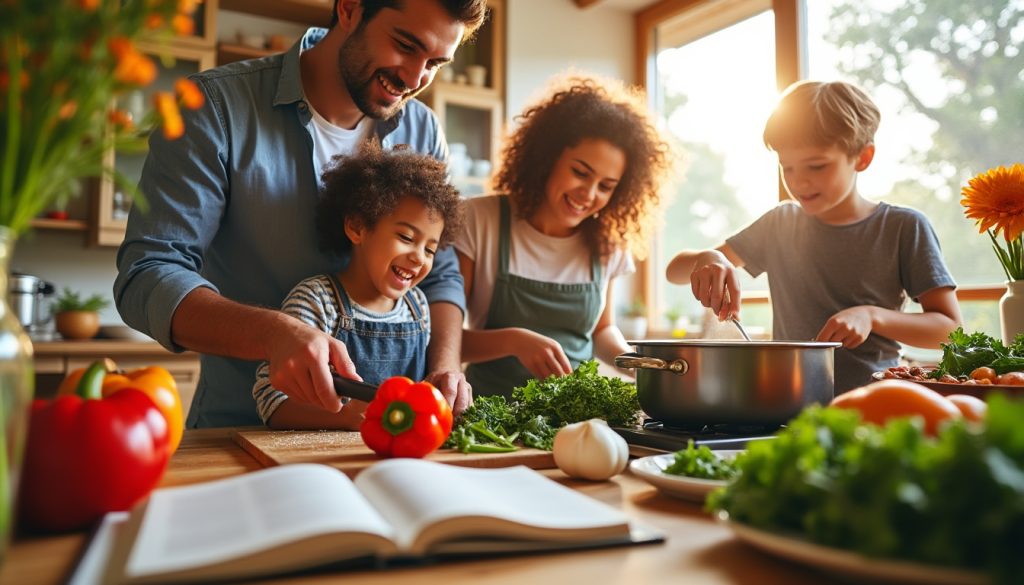
Home cooking presents an excellent opportunity to spend quality time with family and friends. Cooking together can spark collaboration and conversation, making the process more enjoyable and less solitary. In a world where everyone is often busy with their own schedules, shared meals can become a cherished tradition that reinforces bonds and cultivates closeness.
These family dinners offer a chance for everyone to share their thoughts and experiences, making the dining table a place for connection and support. By prioritizing home-cooked meals, families can create lasting memories grounded in nutritious practices and togetherness.
Encouraging Mindful Eating
Home cooking encourages mindful eating, an approach that emphasizes awareness of the food we consume and the experience surrounding it. Taking the time to prepare meals allows individuals to appreciate the process, the ingredients, and the act of eating itself. Mindful eating practices can promote a healthier relationship with food, reducing mindless snacking and overeating.
By savoring each bite and recognizing the flavors, textures, and aromas, individuals can cultivate gratitude for their meals. This perspective shift encourages healthier choices and patterns, aligning eating habits with overall health goals. Engaging in mindful practices during meal prep can further enhance this experience, as individuals become intentional about their food, leading to a deeper appreciation of nourishing their bodies.
Exploration of Culinary Arts
Cooking at home also opens the door to the culinary arts. This exploration can make cooking a joyful and fulfilling hobby, rather than a chore. Experimenting with different recipes, techniques, and cuisines can inspire creativity and result in a broad repertoire of delicious meals.
By experimenting with international cuisines and new ingredients, home cooks can deepen their understanding of flavor profiles, cooking methods, and nutrition. Resources and inspiration are abundant, from online classes to cookbooks, allowing even novice cooks to become confident in the kitchen. Embracing this culinary journey can provide satisfaction and pleasure, transforming meals into a celebration of culture and creativity. For example, exploring international cuisines can be incredibly enriching, introducing new flavors and techniques that can elevate your culinary repertoire.
Developing Lifelong Skills
Home cooking is not just a means to an end but a tool for developing lifelong skills. Mastering the art of cooking can lead to increased self-reliance, financial literacy, and a greater understanding of nutrition. Learning to cook encourages individuals to take responsibility for their food choices and cultivate healthier lifestyles.
Over time, cooking skills flourish through practice, enabling individuals to whip up meals without relying on pre-packaged options. These skills can be passed down through generations, empowering future cooks to embrace home kitchens with confidence and creativity. Moreover, these lessons can extend beyond the kitchen, cultivating habits of planning and organization that can be beneficial in various aspects of life.
In sum, the benefits of home cooking for health and wellbeing are manifold. From the nutritional advantages and psychological boosts to the financial savings and skills developed, cooking at home is a powerful mechanism for fostering a healthier, happier life. Embracing this practice opens up new avenues for connection, creativity, and care, all of which contribute to an enriched lifestyle. The journey of home cooking is one worth embarking on, filled with opportunities for growth, learning, and nourishment.
When I first started cooking at home, I never imagined the profound impact it would have on my health. Each meal became an opportunity to embrace fresh ingredients, making it easier to eat nutrient-rich foods while controlling my portion sizes. Since I began this journey, I’ve noticed a significant drop in my calorie intake, leading to a more balanced weight and a renewed sense of vitality.
Gathering the family around the kitchen has turned cooking into a cherished ritual. Not only does it allow us to bond over a shared experience, but it also fosters open conversations away from the distractions of technology. Family meals have become a safe haven, enhancing our emotional connections and reducing feelings of loneliness that can contribute to mental health challenges.
Initially, I thought saving money would be the primary benefit of cooking at home. While it’s true that dining out regularly can strain any budget, the unintended consequence has been the ability to engage with a wider variety of flavors and cuisines in my own home. Experimenting with different recipes allows me to explore new tastes while being conscious of the ingredients I use, avoiding excess salt and sugar.
In the kitchen, I feel empowered. Knowing exactly what goes into my meals means I can tailor every dish to my dietary needs—whether it’s switching to low-sodium options or avoiding allergens. This control has fostered a deeper understanding of nutrition, translating into better choices throughout my day.
Cooking at home has an unexpected yet profound benefit on my overall mood. Engaging in the act of preparing delicious meals has provided a creative outlet, diminishing stress levels in a way that perhaps no other activity can. Each time I chop vegetables or stir a simmering pot, I find a moment of mindfulness that refreshes my spirit, serving me well beyond the kitchen.