|
IN BRIEF
|
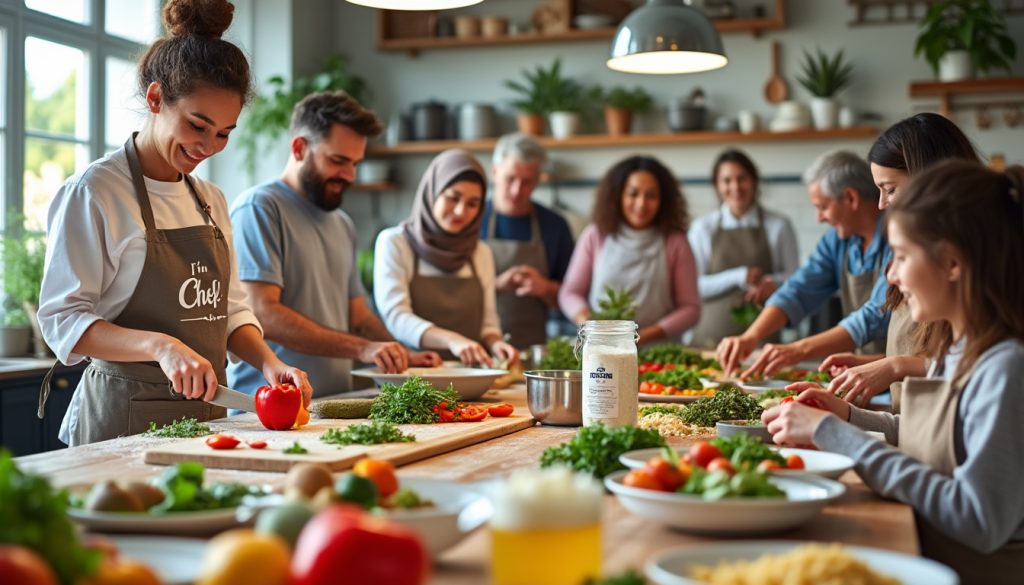
Cooking classes present a remarkable opportunity for individuals to enhance their culinary skills regardless of their experience. These classes provide a structured environment where participants can expand their knowledge about different cuisines and healthy cooking techniques. By enrolling in a cooking class, attendees not only refine their food preparation skills but also gain increased confidence in the kitchen. Beyond just the technical aspect, cooking classes often foster social interactions, allowing participants to connect with others who share a passion for food. Individuals can also explore diverse cultures through global cuisines, enriching their cultural understanding while having fun and forming lasting bonds.
Cooking classes have become increasingly popular as a way for individuals to elevate their culinary abilities, meet new friends, and explore diverse cuisines. Regardless of whether you are a novice in the kitchen or an experienced chef, these classes offer valuable benefits that extend beyond just the act of cooking. This article delves into the numerous advantages of participating in cooking classes, emphasizing the skills and knowledge gained, as well as the social connections formed, all of which contribute to a fulfilling cooking experience.
Enhancing Culinary Skills
One of the most significant benefits of taking cooking classes is the opportunity to improve your culinary skills. For beginners, these classes provide structured learning that can make cooking less intimidating. With hands-on practice under the guidance of experienced instructors, participants can gain confidence in their abilities and learn essential techniques that might be difficult to master alone.
Advanced cooks can also reap rewards from cooking classes by diving deeper into specialized areas such as cuisine styles or advanced cooking techniques. From mastering knife skills to understanding the science of cooking, every class offers a chance to hone particular skills that enrich your culinary repertoire.
Expanding Culinary Knowledge
Taking part in cooking classes exposes participants to a range of culinary knowledge, including information about ingredients, cooking methods, and cultural dishes. This newfound knowledge can lead to a greater appreciation of the art of cooking and will often inspire you to experiment with various styles and flavors at home.
Many cooking classes focus on global cuisines, allowing participants to travel the world through food. Learning about different culinary traditions can broaden your perspective on cooking and motivate you to incorporate these diverse elements into your home meals. For a heartwarming example, a class focused on Italian cooking can introduce the warmth of family-style dinner traditions, while a Thai cooking class might explore vibrant flavors and fresh ingredients.
Promoting Healthier Eating Habits
Another compelling reason to enroll in a cooking class is the potential for promoting healthier eating habits. By learning to prepare your meals, you gain greater control over what goes into your food, leading to more nutritious choices. Cooking classes often emphasize the use of fresh, wholesome ingredients, which can inspire participants to adopt healthier cooking techniques and explore the benefits of home-cooked meals.
As you learn to create meals from scratch, you are much less likely to rely on fast food or processed snacks, which can ultimately contribute to a healthier lifestyle. Many people have noticed a positive shift in their overall health after taking cooking classes, as they become more engaged in their food choices and develop a deeper understanding of nutrition. For more insights into healthy eating habits, read about the benefits of home cooking for health and wellbeing.
Boosting Confidence in the Kitchen
Cooking can be an intimidating task, especially when it comes to experimenting with new dishes or techniques. However, cooking classes provide a supportive environment where you can practice and refine your skills without the pressure of judgment. As participants gain experience and receive constructive feedback from instructors, their confidence in the kitchen grows significantly.
This newfound confidence can translate to a more enjoyable cooking experience at home. You may find yourself more willing to try new recipes, host dinner parties, or even create your own dishes. In essence, cooking classes can unleash your creativity and help you view cooking as an enjoyable and rewarding activity rather than a chore.
Cultivating Social Connections
Cooking classes offer a unique opportunity to meet like-minded individuals who share a passion for food. Whether you are a beginner or a seasoned cook, many classes encourage collaboration and teamwork, fostering an environment where participants can create lasting friendships.
Additionally, cooking together often leads to lively conversations and shared experiences, making the process of learning more enjoyable. The opportunity to bond with others over a shared interest can enhance your overall experience and may even inspire you to continue your culinary journey together. It’s not uncommon for participants to form cooking clubs or plan future cooking sessions after completing a class.
Offering Creative Outlets
Cooking is an art form, and participating in classes allows you to explore your creative instincts. As you learn new techniques and experiment with flavors, you may discover a newfound passion for culinary creativity. Cooking classes often encourage participants to think outside the box and create unique dishes that reflect their personal tastes.
By experimenting with different cuisines and cooking styles, you can uncover your creative flair, making the kitchen a canvas for imagination. Classes that focus on specific themes, like baking, grilling, or plant-based cooking, allow you to tap into various artistic expressions within the culinary world. To learn how to incorporate plant-based foods into your diet, explore the insightful tips at Incorporating Plant-Based Foods.
Providing Structured Learning Environments
For those looking to take their cooking skills seriously, structured cooking classes create an environment where learning is prioritized. Many community colleges and culinary schools offer classes that focus on various aspects of cooking, from basic skill-building to advanced techniques. These structured classes often provide a comprehensive curriculum to guide participants and assess their progress.
With a clear learning path, students can track their improvements and build upon their skills systematically. This approach is particularly beneficial for those considering a career in the culinary arts, as it lays a strong foundation for future success in the industry. Read more about the importance of structured cooking classes at Why Are Cooking Classes Important?.
Exploring Diverse Culinary Techniques
Another exceptional perk of cooking classes is the broad exposure to various cooking techniques. From sauteing and roasting to fermenting and sous vide, these classes often emphasize diverse methods that participants can apply to their own cooking styles. Engaging in multiple techniques helps to enhance culinary versatility and opens the door to a world of gastronomic possibilities.
Gaining knowledge in various techniques allows participants to tailor their cooking approaches based on personal preferences, dietary restrictions, or available ingredients. This adaptability is crucial not only for personal cooking but also for those looking to cater to friends or family. The ability to improvise and think on your feet in the kitchen can prove invaluable during gatherings or special occasions.
Connecting to Culinary Culture
Cooking classes are often deep-rooted in cultural traditions. Many instructors share personal journeys and anecdotes connected to their culinary backgrounds, which can enhance the learning experience. Participants not only learn to prepare traditional dishes but also connect with the stories and cultural significance behind the food.
This cultural connection fosters a sense of appreciation and respect for culinary diversity, allowing participants to understand food in a more profound and meaningful way. As you cook dishes from around the world, you will likely find inspiration in these stories, creating a more immersive cooking experience. To explore the cultural dimensions of cooking, consider participating in a class that focuses on global cuisines, enabling you to broaden your horizons while enjoying delicious dishes.
Understanding Food Sustainability
In addition to culinary skills and techniques, many cooking classes emphasize the importance of food sustainability. Understanding where ingredients come from and the environmental impact of our food choices has become increasingly relevant in today’s society. Cooking classes often address topics such as sourcing local ingredients, reducing food waste, and adopting sustainable cooking practices.
Participants can develop a stronger connection to their food and recognize the significance of responsible consumption. This awareness can inspire individuals to make informed choices when purchasing ingredients and preparing meals, ultimately leading to more sustainable cooking habits at home. For insights into the impact of stress on nutrition when cooking sustainably, visit The Impact of Stress on Recovery and Nutrition.
Affordability of Cooking Classes
Cooking classes are often seen as an investment in personal growth, but many affordable options exist that cater to various budgets. Local community centers, recreation programs, and non-profit organizations frequently offer cooking classes at lower fees, making them accessible to all individuals, regardless of financial constraints.
Free online resources, including tutorials and virtual classes, have also begun to emerge in response to the growing need for accessible food education. Many esteemed chefs and culinary professionals share their knowledge on platforms like YouTube, providing individuals with the chance to learn cooking techniques from the comfort of their homes. To discover the various pros and cons of cooking classes, check out detailed discussions on Quora.
Real-Life Applications and Career Opportunities
For those interested in pursuing a career in the culinary industry, taking cooking classes provides invaluable real-life applications that can serve as a foundation for future endeavors. Graduating from specialized culinary classes can lead to various career paths, including positions as personal chefs, restaurant managers, or culinary instructors.
Moreover, many cooking schools offer networking opportunities and internships that can enhance participants’ resumes and widen their connections within the culinary community. Armed with knowledge and practical experience, you can step into the culinary world with confidence and expertise.
Testimonials from Participants
The enthusiasm for cooking classes is palpable amongst many participants, who frequently share heartfelt testimonials about their experiences. From newfound friendships to unexpected cooking revelations, the stories about learning something new in the kitchen resonate deeply with many individuals.
For many, cooking classes have been a launching pad for expanding their culinary horizons and professional aspirations. Countless participants express how classes helped them conquer their insecurities in the kitchen and transformed their relationships with food altogether. These testimonials underscore the transformative power of cooking and the significant impact cooking classes can have on an individual’s life.
As you can see, the benefits of cooking classes extend far beyond simply learning how to cook. They provide opportunities for personal growth, social connection, and culinary exploration that can enhance every aspect of your cooking journey. From cultivating skills to embracing new cultures, cooking classes cater to all skill levels and offer experiences that enrich lives in various ways.
Taking a cooking class can be a transformative experience, no matter your culinary background. For beginners, these classes are a gateway to discovering the magic of the kitchen. One enthusiastic participant shared, “Before I enrolled, burning toast was my specialty. Now, I’ve mastered the basics and feel confident whipping up a weeknight dinner!” This sentiment resonates with many who have felt the same way—a simple class can ignite a newfound passion.
For those with some experience, cooking classes present an opportunity to broaden culinary horizons. A seasoned home cook remarked, “I initially thought there was nothing new for me to learn, but I was blown away by the variety of techniques and cuisines we explored—each lesson added a new layer to my skill set!” This expansion not only refines skills but also encourages creativity in the kitchen.
Many participants cite improved health as a significant benefit. A participant on a health journey shared, “Since I started cooking more at home, I’ve noticed a drastic change in my lifestyle. I learned about healthy cooking techniques that have transformed my meals!” This shift toward home cooking not only promotes better eating habits but also reduces the reliance on takeout.
A cooking class can also foster social connections. One attendee noted, “I joined a class to learn something new, but I ended up making friends who share my love for food. We now share recipes and have cooking nights together!” This social element is invaluable, enhancing the cooking experience and creating a supportive community.
Lastly, many individuals find that cooking classes boost their confidence. A shy beginner expressed, “I was hesitant at first, but the encouragement from my instructor and peers really built my confidence. Now I love cooking for my friends!” This emotional growth can be just as meaningful as the practical skills learned, making cooking a fulfilling pursuit for all.