Quick Overview: Building a Home Workout Routine with Limited Equipment
|
Quick Overview: Building a Home Workout Routine with Limited Equipment
Building a home workout routine with limited equipment can be both effective and convenient. To create a routine that maximizes results, start by focusing on bodyweight exercises like push-ups, squats, and lunges, which engage multiple muscle groups without the need for additional gear. Incorporating dumbbells or kettlebells can enhance your workouts with exercises like goblet squats and bench presses. It’s crucial to design routines that are not only challenging but also tailored to your individual fitness level. Get creative by varying your routines and incorporating elements like pauses to increase difficulty. By establishing a sustainable plan and staying accountable, you can achieve your fitness goals from the comfort of your home.
Creating an effective home workout routine using limited equipment can be a game changer in your fitness journey. Many individuals face the challenge of not having access to a gym or a wide array of equipment; however, this shouldn’t deter your progress. By leveraging simple tools like dumbbells or even just your body weight, you can achieve significant results. This article will delve into various strategies, exercises, and tips that will empower you to establish a robust fitness routine at home.
Understanding Your Fitness Goals
Before embarking on your fitness journey, it’s essential to assess your fitness goals. Are you aiming for fat loss, muscle gain, or improving overall health? Understanding this will guide your workout plan. If you’re focused on strength training, you might need just a couple of dumbbells or resistance bands. On the other hand, if your intention is cardiovascular fitness, bodyweight exercises like burpees and jump squats can be your focal points. Knowing your goals will help you tailor your workouts effectively.
Equipment You Need for a Minimalist Workout
When it comes to minimal equipment, less truly is more. Here are some essential tools you might consider incorporating into your home workouts:
Dumbbells
Dumbbells are incredibly versatile and can facilitate a wide range of strength exercises. You can perform lifts, curls, presses, and even balance training using them. Opt for a light set that you can progressively increase in weight as you get stronger.
Kettlebells
A kettlebell can enhance your workouts significantly, offering unique ways to build strength and endurance. With movements like the goblet squat and kettlebell swings, this tool can target multiple muscle groups effectively.
Resistance Bands
Resistance bands are lightweight, portable, and can easily be integrated into your workouts. They’re fantastic for enhancing flexibility, strength, and stability. From rows to chest presses, the possibilities are endless.
Bodyweight Exercises
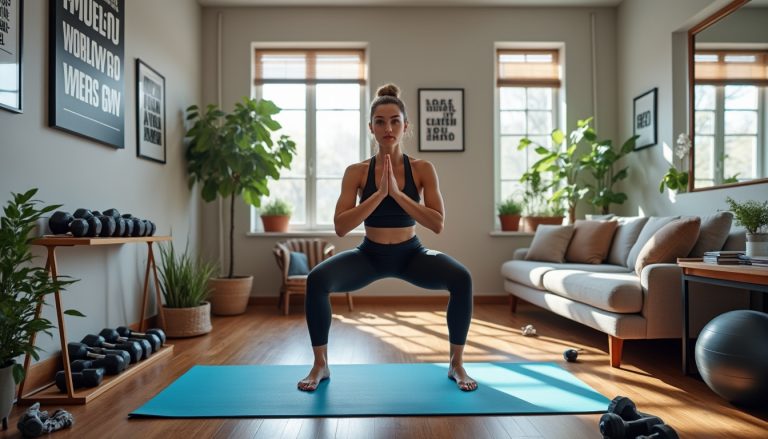
Don’t underestimate the power of bodyweight exercises. Push-ups, squats, lunges, and planks can help build your strength without any equipment. These exercises allow you to engage multiple muscle groups while also improving cardiovascular endurance.
Creating a Balanced Workout Routine
Once you have defined your goals and gathered your equipment, it’s time to create a balanced workout routine. A comprehensive plan should include strength training, cardiovascular activities, and flexibility exercises. This approach ensures you’re engaging different muscle groups, improving stamina, and reducing the risk of injury.
Strength Training
Incorporate various exercises targeting major muscle groups. For example, you might consider starting with a goblet squat to work your legs, followed by a dumbbell chest fly for your upper body. These compound movements help build strength efficiently.
Cardiovascular Workouts
Cardio should be a staple in any home workout routine. Consider including exercises like jumping jacks, high knees, or burpees, which elevate your heart rate and enhance endurance. You can also incorporate short bursts of high-intensity interval training (HIIT) to get your heart pumping!
Flexibility and Cool Down
After every workout, ensure you dedicate time for flexibility movements and cool-down stretches. Incorporating yoga poses like downward dog or stretches focusing on key muscle groups will enhance your recovery and flexibility.
Weekly Workout Plan Example
Here’s a simple weekly workout plan you can modify according to your needs. This plan incorporates various elements to help you get the most out of your limited equipment:
Day 1: Full-Body Strength
Start with a warm-up, then perform three sets of the following exercises. Adjust weights according to your level of fitness:
- Goblet Squats
- Dumbbell Bench Press
- One-arm Dumbbell Row
- Plank – hold for 30 seconds
- Standing Calf Raises
Day 2: Cardio Blast
Focus on high-intensity bodyweight exercises:
- Burpees – 3 sets of 10
- High Knees – 30 seconds
- Jump Squats – 3 sets of 10
- Mountain Climbers – 30 seconds
Day 3: Upper Body and Core
Perform exercises focusing on the upper body and core strength:
- Dumbbell Shoulder Press
- Dumbbell Chest Fly
- Russian Twists
- Side Plank – hold for 30 seconds each side
Day 4: Lower Body Focus
Concentrate on strengthening the lower body:
- Lunges – 3 sets of 10 (each leg)
- Hamstring Curls with a resistance band
- Dumbbell Deadlifts
- Bodyweight Squats
Day 5: Mixed Cardio and Flexibility
Engage in a fun mix of cardio followed by yoga stretches.
Tips for Staying Motivated
Staying motivated can be a challenge when working out at home. Here are some practical tips to keep you on track:
Set Realistic Goals
Setting achievable goals is crucial for maintaining motivation. Consider both short-term and long-term goals and celebrate your achievements along the way.
Enjoy Your Workouts
Choose exercises and routines that you genuinely enjoy. This will make it easier to stay committed and look forward to your workout sessions each day.
Track Your Progress
Keep a record of your workouts, noting exercises, weights used, and personal bests. Tracking progress can be incredibly motivating as you visualize your improvements.
Find an Accountability Partner
Having someone to share your journey can enhance motivation significantly. Whether it’s a friend or family member, consider keeping each other accountable for achieving your fitness goals.
Adapting to Different Skill Levels
One of the beauties of home workouts is their adaptability. Whether you’re a beginner or more experienced, you can modify exercises to fit your skill level. For beginners, focus on bodyweight exercises or lighter weights. More advanced individuals can incorporate complex movements or increase the weights for a more challenging workout.
Creating a Supportive Workout Environment
A dedicated workout space can improve your focus and motivation. Ensure your area is well-lit, clutter-free, and stocked with your essential equipment. Play your favorite music or even join online workout communities for motivation. Being part of a community can lead to shared experiences and added support. Learn more about finding these communities here.
Staying Accountable During Your Journey
It’s easy to let distractions lead us off our fitness journey. Consider setting specific days and times for your workouts, or incorporate a habit-tracking app to remind you of your goals. Learn more about maintaining accountability here to ensure you stay on course.
With the right mindset, tools, and a well-structured plan, achieving your fitness goals from the comfort of your home is entirely possible. Embrace the journey ahead!
Testimonials on Building a Home Workout Routine with Limited Equipment
After transitioning to home workouts, I was initially skeptical about achieving my fitness goals without access to a gym. However, I discovered a simple yet effective routine that required only my bodyweight and a few dumbbells. The flexibility of crafting a workout schedule around my day-to-day life has resulted in not only improved strength and endurance but also greater consistency in my fitness journey.
I remember the first time I tried a full-body workout using just resistance bands and a couple of dumbbells. I was astonished at how effectively I could target multiple muscle groups without needing extensive equipment. This minimalist approach not only saves space but has also pushed me to explore a variety of exercises, making my workout sessions enjoyable and diverse.
Building my home workout routine wasn’t just about physical growth; it also transformed my mental wellbeing. The motivation to stay fit in the comfort of my living room provided a sense of accomplishment. I have embraced bodyweight exercises like push-ups and squats, which have proven to be incredibly effective for strength building.
What surprised me the most was how the simplicity and accessibility of this routine inspired my family. We began to exercise together, incorporating fun variations of classic movements, thus fostering a supportive environment for everyone to reach their health and fitness goals. It’s refreshing to see how limited equipment can bring us closer as a family while we engage in physical activity.
The best part of building a workout regimen with minimal equipment is the ease of progression. By simply altering the tempo of my movements or increasing the number of repetitions, I can constantly challenge myself. This adaptability keeps the workouts engaging and ensures that I’m always striving for improvement.
Overall, my journey in establishing a minimal equipment workout routine has taught me that fitness doesn’t have to be complicated or costly. With creativity and determination, anyone can achieve their health goals from the comfort of their home, no matter the equipment they have at their disposal.