| Effective Cool-Down Techniques After Home Training |
|
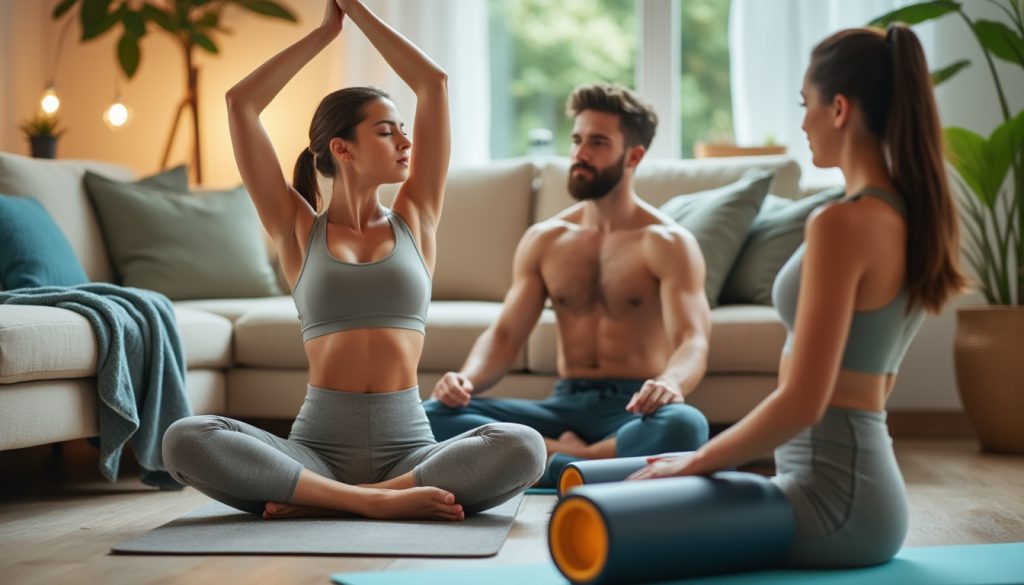
Cooling down after a workout is essential for recovery and to prevent injuries. Engage in lower-intensity exercises such as light jogging or walking for 5 to 10 minutes to gradually bring your heart rate down. Following this, incorporate static stretching to enhance flexibility and alleviate tension in the muscles worked during the session.
Consider including these effective cooldown exercises:
- Standing Chest Opener – This stretch expands the chest and shoulders.
- Kneeling Hip Flexor Stretch – Aids in releasing tightness in the hips.
- Child’s Pose – Promotes relaxation and stretches the back.
- Cat-Cow – Enhances spinal flexibility and relieves tension.
- Downward-Facing Dog – Stretches multiple muscle groups simultaneously.
- Seated Forward Bend – Targets the hamstrings and lower back.
- Knee-to-Chest Pose – Great for relaxing the lower back.
Make sure to hold each stretch for 10 to 30 seconds, focusing on your breath and relaxation throughout the process. These cooldown techniques not only enhance recovery but also prepare your body for future workouts.
Cooling down after home training is an essential component of a well-rounded fitness routine. It involves a series of exercises and stretches that help modify your heart rate and gradually transition your body from intense activity to a resting state. Effective cool-down techniques can enhance recovery, prevent injuries, and improve overall flexibility. This article explores various methods for cooling down effectively, providing you with a comprehensive guide to post-workout recovery.
Understanding the Importance of Cooling Down
An effective cool-down is often overlooked by many fitness enthusiasts. However, taking the time to cool down properly can enhance your performance in further workouts and decrease the chances of injury. When you engage in vigorous exercise, your heart rate rises, and your body temperature increases. Gradually decreasing your heart rate through a cool-down routine is crucial for stabilizing circulation and minimizing dizziness or fainting.
Benefits of Cooling Down
There are numerous benefits associated with a structured cool-down routine:
- Promotes Recovery: Engaging in gentle exercises can help reduce muscle soreness and expedite recovery.
- Improves Flexibility: Stretching post-workout enhances flexibility and allows for better muscle functionality.
- Prevents Injury: A cool-down period reduces the likelihood of injuries caused by abrupt cessation of intense physical activity.
- Regulates Heart Rate: Gradually lowering your heart rate allows your cardiovascular system to recover effectively.
Light Cardio: Transitioning from Intense Activity
To initiate your cool-down process, incorporating light cardio is paramount. This involves transitioning from your high-intensity workout to lower-intensity movements.
Footwork to Cool Down
Consider performing a few minutes of light jogging or brisk walking. Aim for 5 to 10 minutes to allow your heart rate to decelerate gradually. This gentle transition is vital in preventing sudden drops in blood pressure, which may lead to dizziness.
Other Cardio Methods
If walking or jogging isn’t feasible in your home, some alternative exercises include:
- Marching in place
- Low-impact aerobics
- Gentle cycling on a stationary bike
Static Stretching: Enhancing Flexibility
Static stretching is a crucial aspect of an effective cool-down, allowing you to improve muscle flexibility while your body remains warm from exercise.
Holding Stretches
The key to static stretching is maintaining each stretch for 10 to 30 seconds. This duration enables the muscles to relax and lengthen effectively. Here are some stretches to incorporate:
- Standing Chest Opener: Stand tall with your feet shoulder-width apart, interlace your fingers behind your back, and gently lift your arms to open your chest.
- Kneeling Hip Flexor Stretch: Drop to one knee, push your hips forward, and hold to stretch the hip flexors.
- Child’s Pose: Kneel on the floor, sit back on your heels, and stretch your arms forward, allowing your forehead to rest on the ground.
- Cat-Cow Stretch: Transition between arching and rounding your back to promote spinal flexibility.
- Downward-Facing Dog: From a plank position, lift your hips toward the ceiling, creating an inverted “V” shape with your body.
Upper Body and Core Stretches
After focusing on lower body stretches, don’t forget to target the upper body and core.
Incorporating More Upper Bodied Stretches
- Wrist Stretch: Extend one arm with the palm facing up, use your other hand to gently press back on the fingers to stretch the wrist.
- Shoulder Rolls: Roll your shoulders backward and forward to release tension.
- Seated Forward Bend: Sit with your legs extended, reach towards your toes, and feel the stretch in your hamstrings.
- Knee-to-Chest Pose: Lie on your back and pull one knee to your chest to ease tension in the lower back.
- Reclining Butterfly Pose: Lie on your back, allow your feet to touch, creating a diamond shape with your legs to stretch the inner thighs.
Breathing Techniques for Relaxation
Integrating breathing techniques into your cool-down routine can enhance relaxation and help in reducing heart rate.
Deep Breathing Exercises
While holding your stretches, incorporate deep breathing. Inhale deeply through your nose, expanding your belly, and exhale slowly through your mouth. This mindful approach will not only aid in calmness but also improve concentration and focus.
Hydration: The Unsung Hero
Post-training hydration is integral to your recovery process. Though often unnoticed, replenishing your body with fluids is a vital step in cooling down.
Water and Electrolytes
Ensure that you drink plenty of water after workouts, especially after perspiring heavily. You may also consider electrolyte drinks if your exercise session was particularly intense.
Transitioning to Mindfulness
Mindfulness techniques can further enhance the benefits of cooling down. Focusing on relaxation and allowing your body to rest can greatly reduce stress and enhance your mental wellbeing.
Guided Meditation
Incorporating a few minutes of guided meditation after stretching is a fantastic way to conclude your training. Find a quiet space, close your eyes, and concentrate on your breathing. This practice promotes relaxation and connection with your body.
Cooling Down with Yoga
Yoga offers a perfect blend of stretching and mindfulness, making it an excellent addition to any cool-down routine.
Simple Yoga Poses
Consider including gentle yoga poses to your cooldown routine. Poses like the Pigeon Pose, Legs-Up-the-Wall Pose, or the Seated Twist can help release muscle tension and enhance flexibility while promoting relaxation.
Listening to Your Body
One of the most important aspects of cooling down after home training is to always listen to your body. Everyone’s fitness levels and needs are different, so tailoring your cool-down experience to suit your body is essential.
Identifying Signs of Recovery
Pay attention to how you feel during and after stretches. If a stretch causes pain or discomfort, modify it or choose another stretch. The goal is to promote recovery, not to push your limits.
Creating a Cool-Down Routine
Now that you are aware of various exercises and techniques, consider crafting your personalized cool-down routine based on your individual needs.
Consistency is Key
Remember that consistency is vital. Allocating 5 to 10 minutes after each workout for cooling down can significantly improve your performance over time. With a structured plan, you will notice the benefits in flexibility, decreased soreness, and overall workout efficiency.
Resources for Further Learning
For those interested in further explore effective cooling down techniques, various resources are available. Online platforms such as Quora can provide insights from personal trainers and fitness enthusiasts. Furthermore, the guidelines from Healix Therapy offer a structured approach to warming up and cooling down.
For tips to maximize your home gym space, check out this guide from NAELC.
Incorporate the practices discussed above, and remember to focus on your body throughout the cool-down process. The journey to fitness is not just about intensity; it’s equally about how well you recover.
For additional ideas and a visual guide to cool-down exercises, take a look at this comprehensive article from Today.
By committing to a well-structured cooldown routine, you’ll find not only better recovery but a more enjoyable fitness journey.
Testimonials on Effective Cool-down Techniques After Home Training
After incorporating cool-down exercises into my post-workout routine, I’ve noticed a significant decrease in muscle soreness. My favorite is the Child’s Pose; it not only stretches my back but also helps me relax after a high-intensity session. I feel less tight and more flexible, making me ready for the next workout!
I used to skip cooling down due to my busy schedule, but once I committed to it, everything changed. The Kneeling Hip Flexor Stretch has become essential for me. It targets the areas that get the most strained during my workouts, and I can feel the tension melt away. I wish I’d started this sooner!
One of my personal go-to stretches post-workout is the Standing Chest Opener. Not only does it alleviate the tension in my shoulders from lifting weights, but it also gives me a moment to breathe and reflect. It has made a noticeable difference in my overall performance.
I’ve been focusing on static stretches at the end of my sessions, especially the Forward Fold. It extends my hamstrings and promotes balance within my body. This technique is a game changer, as it prepares me for the next day, reducing the risk of injury.
Improving my flexibility has never been easier, thanks to the Reclining Butterfly Pose I practice after my home workouts. It opens up my hips beautifully and reminds me to take deep breaths. Each session feels more rewarding, and I encourage everyone to give it a try!