| How to Track Your Progress in Home Training |
|
Tracking your progress during home training is essential for staying motivated and achieving your fitness goals. Start by keeping a fitness journal to record your workouts, including exercises, sets, reps, and weights used. This helps you visualize improvements over time. Another effective method is to utilize a fitness tracker or app, which can help monitor your performance metrics automatically. Don’t forget to take progress photos to visually capture your transformation. Additionally, pay attention to how your clothes fit and track your body measurements to gain a comprehensive understanding of your progress. Regularly assessing your achievements will keep you inspired and focused on your fitness journey.
Tracking your progress during home training is essential for keeping motivation high and ensuring your fitness journey is effective. With various methods available, from utilizing technology like apps to maintaining a traditional fitness journal, you can find the best approach that works for you. This article will explore different strategies to monitor your workouts, how to overcome common challenges, and tips to enhance your home training experience.
Understanding the Importance of Tracking Progress
Tracking your progress allows you to see the results of your hard work and remain motivated as you work towards your fitness goals. Whether you’re training for strength, general fitness, or weight loss, recognizing your achievements is vital. This practice also helps you identify what’s working well and what may need adjustment.
Methods for Tracking Your Workouts
Using a Fitness Journal
One of the simplest yet most effective ways to track your workouts is by keeping a fitness journal. In it, jot down your daily workouts, including the exercises performed, sets, reps, weights, and even how you felt during the session. This can give you an enlightening perspective on your growth over time. You can also record other aspects like your diet and hydration. A journal not only serves as a record but also as a motivational tool, reminding you of how far you’ve come.
Fitness Tracking Apps
In our digital age, fitness tracking apps are a fantastic resource for home training. There are numerous apps available, each offering unique features to help you monitor your workouts effectively. For instance, a popular choice is MyWorkoutPlan, which tracks not only your workout duration but also rest periods and provides graphical statistics. Choose an app that aligns with your fitness goals and preferences. With technology at your fingertips, tracking progress has never been easier.
Capturing Progress Pictures
Visual documentation is another effective method to track fitness progress. By snapping workout progress pictures, you can visually compare your body transformation over weeks and months. Stand in the same pose and lighting conditions for consistency, and watch your hard work pay off through visual evidence.
Monitoring Clothing Fit
Pay attention to how your clothes fit as a subtle yet powerful indicator of progress. As you lose weight or gain muscle, your garments will become looser or tighter, respectively. This method is less about numbers and more about how you feel in your skin.
Utilizing the Scale Wisely
While it’s common to hop on the scale to track weight loss, it’s crucial not to become overly fixated on this number alone. The scale doesn’t capture muscle gain or fat loss, so it’s imperative to use it alongside other methods of progress tracking. Regular weigh-ins can be more informative when combined with body measurements and other visual cues.
How to Monitor Your Progress
Keeping Detailed Records
Incorporating detailed records in your planning is essential. Use your fitness journal to document not only your exercising habits but also your nutrition and hydration habits. Regular entries will highlight patterns that influence your performance and recovery.
Taking Body Measurements
Measurements can provide clearer insights into your changes than the scale might suggest. Measuring parts like your waist, hips, chest, arms, and thighs allows you to track changes in body composition over time. Many find it motivating to see inches lost versus just weight changes, so consider this method as a vital complement to your workout routine.
Regular Fitness Assessments
Set aside time every few weeks to conduct a fitness assessment. This can include testing your maximum lifts, endurance, or anything specific to your training goals. Keeping these assessments recorded aids in understanding your progress and adjusting your training plan accordingly.
Leveraging Technology to Aid in Tracking
Fitness Trackers
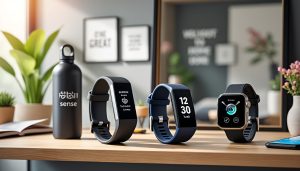
Fitness trackers offer a versatile way to monitor your progress. These devices can record heart rate, calories burned, distance covered, and other metrics, providing a comprehensive overview of your daily activities. They serve as real-time motivators, making it easier to stay on track and push your limits.
Online Forums and Communities
Engaging in online fitness communities allows you to share your progress with others and receive support and motivation. Platforms like Reddit can be excellent places to find workout buddies or share tips about tracking methods, enhancing your home training experience.
Creating a Reward System
Establishing a reward system can provide extra motivation to track your progress. Celebrate small wins when you hit a milestone or complete a certain number of workouts in a month. This could be as simple as treating yourself to new workout gear or enjoying a relaxing day off.
Common Challenges and How to Overcome Them
Staying Consistent
One of the most significant obstacles in home training is maintaining consistency. To combat this, devise a comprehensive home training schedule. Block out specific times for workouts and treat them like essential appointments. Furthermore, vary your routines to keep things fresh and exciting.
Plateaus in Progress
Experiencing a plateau with your progress can be frustrating. To overcome this, consider switching up your workout routine or incorporating new exercises. Different rep ranges or training methodologies can stimulate new gains. Keeping your fitness journal updated will help you identify patterns that lead to stagnation.
Creating a Personalized Workout Plan
Designing a personalized home workout plan tailored to your goals is critical for success. Consider your preferences, fitness level, and available equipment when crafting your plan. Ensure it’s dynamic and adaptable to sustain your interest and present ongoing challenges.
Preparing for Your Workout Sessions
The Importance of Preparation
Proper preparation can significantly impact the effectiveness of your home workouts. Before you start, make sure that your environment is suitable. This includes ensuring you have the right equipment, ample space, and minimal distractions.
Creating an Inspiring Space
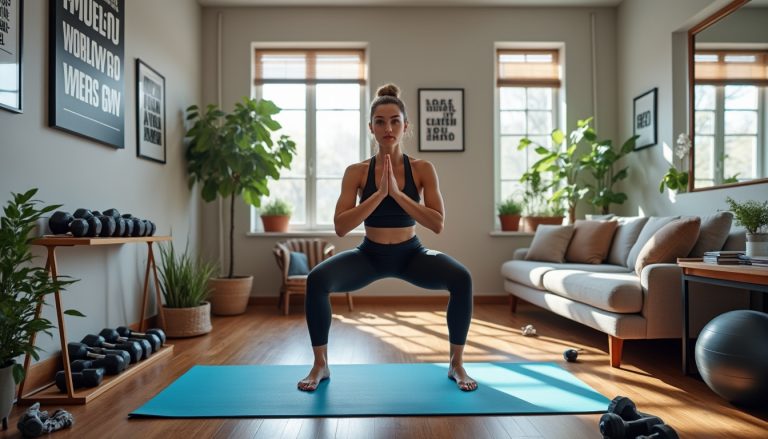
Transform your designated workout area into an inspiring space. You can achieve this by decluttering, adding motivational quotes, and displaying previous progress pictures. A positive environment can enhance not only your mood but also your performance. If you’re looking for ways to prepare your home workout session, consider investing in proper lighting and equipment that fosters a lively atmosphere.
Evaluating and Adjusting Your Goals
Setting SMART Goals
SMART goals—Specific, Measurable, Achievable, Relevant, and Time-bound—are instrumental in guiding your fitness journey. Regularly evaluate these goals in accordance to your progress. Are your goals still aligned with your aspirations? Are they realistic? Adapt them as necessary to maintain motivation and challenge.
Learning from Setbacks
Setbacks are an inevitable part of any fitness journey. While they may feel disheartening, use them as valuable learning experiences. Whether it’s an injury or a lack of motivation, analyze the situation and adjust your plan accordingly. Keeping a growth mindset can help you stay resilient and focused on long-term success.
Tracking your progress in home training is multifaceted and can involve a variety of methods and tools. From fitness journals and apps to body measurements and community support, the key is to stay consistent and adaptable. A well-rounded approach will help keep you motivated and on track to reach your fitness aspirations.
Effective Ways to Track Your Progress in Home Training
Tracking your progress during home workouts can be a game-changer for reaching your fitness goals. One of the simplest yet most effective methods is to maintain a fitness journal. This not only helps you to log your exercises but also allows you to take note of your reps and sets, making it easy to identify patterns and celebrate your achievements.
Another innovative way to monitor progress is by using a fitness app. Many apps, such as MyWorkoutPlan, can track your workouts, timing, and rest periods, while providing graphical representations of your performance. This visual aspect can be incredibly motivating, as it allows you to see your improvement over time.
Don’t forget the power of progress photos. Taking regular pictures of your physique can visually document the changes your body goes through, providing tangible proof of your hard work. Additionally, pay attention to how your clothes fit; this subjective gauge can sometimes tell you more than a scale.
Measuring your body is another key method to track progress. By keeping track of your body measurements and body fat percentages, you’ll have a detailed account of your transformation. This quantitative data can serve as a motivational boost when the scale doesn’t reflect your efforts.
Finally, consider setting up a reward system for achieving your fitness milestones. Recognizing and celebrating your hard work can reinforce positive behaviors and keep you on track. Whether it’s treating yourself to new workout gear or a relaxing spa day, rewards can be the extra push you need to stay motivated in your home training journey.