| Key Points |
|
Interval training at home can be a game-changer for your fitness routine. To utilize it effectively, start with a proper warm-up to prepare your body. Include movements like jumping jacks, arm circles, and high knees to get your heart rate up. Choose a variety of exercises such as burpees, air squats, and push-ups for your intervals, aiming for around 20 minutes of high-intensity work. Gradually increase the intensity by adding extra intervals or increasing the duration of each activity every few weeks. Consistency is key, so find ways to keep yourself motivated, whether through buddy workouts or outdoor training sessions. Finally, remember to cool down and stretch after your workout for recovery.
Interval training has gained immense popularity as a highly effective workout strategy, especially for those looking to stay fit from the comfort of their own home. This article will explore the various ways to utilize interval training at home effectively, providing readers with actionable tips and creative strategies to elevate their fitness game. From understanding the fundamentals of interval training to exploring efficient workout routines, this comprehensive guide aims to empower individuals of all fitness levels to make the most of their exercise sessions.
Understanding Interval Training
At its core, interval training is a conditioning method that alternates between high-intensity bursts of exercise and lower-intensity recovery periods. This powerful approach offers numerous benefits, including improved cardiovascular fitness, enhanced metabolism, fat burning, and increased endurance. By incorporating intervals into home workouts, individuals can achieve significant results in shorter durations, making it an ideal choice for busy lifestyles.
The Science Behind Interval Training
The physiological responses that occur during high-intensity exercise contribute significantly to improved fitness levels. During intense intervals, your heart rate accelerates, oxygen consumption increases, and calorie expenditure spikes. Conversely, during the recovery phase, these parameters stabilize, allowing the body to prepare for another round of intensity. This unique combination leads to a metabolic boost that can last for hours after the workout, known as the afterburn effect.
Creating a Home Environment for Interval Training
Setting the stage for effective interval training begins with creating an optimal home environment. This includes finding a dedicated space that minimizes distractions and equips you with the necessary tools to maintain focus during workouts.
Designing Your Workout Space
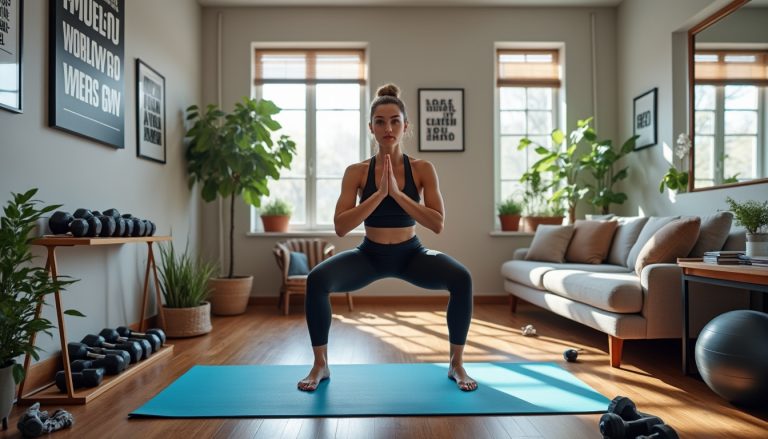
Select a location in your home that is spacious enough to accommodate your movements, whether it’s in the living room, basement, or backyard. Ensure that the surface is safe for exercising, and consider using a yoga mat for added cushioning. Good lighting and adequate ventilation are essential for enhancing your workout experience.
Essential Equipment for Home Interval Training
While many interval workouts can be performed without equipment, incorporating some basic tools can elevate your training. Consider using items like dumbbells, resistance bands, exercise balls, or kettlebells to provide variety and challenge. For cardio-focused intervals, a jump rope or a stationary bike can effectively amp up your sessions.
Structuring Your Interval Training Workouts
An effective interval training routine should be well-structured to maximize results and maintain motivation. Scheduling your workouts, knowing your intervals, and incorporating recovery periods is crucial to achieving your fitness goals.
Establishing a Training Schedule
Create a weekly schedule that incorporates interval training in a way that suits your lifestyle. Aim to include at least two to three interval workouts per week, allowing rest days in between to facilitate recovery. Consistency is key; using environments that are motivating and enjoyable can also make a significant difference.
Selecting Interval Durations
When setting up your workouts, choose interval durations that challenge you without sacrificing form. A popular option is the 20/40 second format: 20 seconds of intense work followed by 40 seconds of rest. After you’re comfortable, experiment with different ratios such as 30/30, 40/20, and even 15/45, depending on your fitness level. Adjusting the duration over time can foster progression and improvement.
Warm-Up: Getting Ready for Intensity
A proper warm-up is essential to prepare your body for high-intensity exercises and reduce the risk of injury. Incorporate dynamic movements to get your blood flowing and muscles activated.
Dynamic Warm-Up Exercises
Start your warm-up with activities like jumping jacks, arm circles, leg swings, and high knees. Aim for about 5-10 minutes of movement that targets your entire body. This not only prepares your muscles but mentally gets you ready to tackle the workout ahead.
Your First Interval Workout
If you’re new to interval training, jumping into high-intensity workouts can feel overwhelming. However, you can begin easily by selecting manageable exercises that engage different muscle groups.
Sample Beginner HIIT Workout
Try this effective 20-minute routine that requires no equipment:
- Burpees: 30 seconds of effort, 30 seconds of rest
- Air Squats: 30 seconds of effort, 30 seconds of rest
- Push-Ups: 30 seconds of effort, 30 seconds of rest
- Bicycle Crunches: 30 seconds of effort, 30 seconds of rest
Repeat this sequence 3-4 times for a full workout. Always remember to cool down with stretching post-exercise to aid recovery.
Advanced Interval Training Techniques
Once you’ve built a solid foundation, it’s time to incorporate advanced techniques into your routine for enhanced results.
Increasing Intensity Over Time
Progression is vital in interval training to avoid plateaus. Gradually increase the intensity by adding more intervals, reducing rest periods, or amplifying your work intervals. For those seeking to challenge themselves further, incorporating elements like sprinting or plyometrics can provide additional intensity.
Combining Strength and Cardio
Mixing strength resistance training with cardio intervals can take your workouts to the next level. For instance, alternate between a series of push-ups and squat jumps. This combination not only burns fat but also builds muscle endurance and overall strength.
Staying Motivated and Accountable
Maintaining motivation can be a hurdle in home workouts. However, when you set specific goals and use effective strategies, it becomes easier to stay committed.
Setting Realistic Goals
Establish clear, achievable fitness goals focused on process rather than outcome. For example, aim to perform a set number of interval workouts each week, or gradually reduce your rest times. Tracking your progress can provide motivation, making it rewarding to witness your improvements over time.
Finding a Workout Buddy
Consider working out with a friend or family member, even virtually. This can enhance motivation and make sessions more enjoyable. Check out resources on motivating a partner to join home training workouts for tips and creative ideas.
Managing Distractions at Home
Home environments often come with their fair share of distractions, which can impede your workout sessions. Identifying these distractions and mitigating their effects is crucial to maintaining focus.
Creating a Distraction-Free Zone
Set boundaries regarding when and where you’ll be working out. Communicate with others in your household to minimize interruptions. Use this time solely for workouts to create a mental association that allows you to fully concentrate on your fitness goals.
Focusing Your Mindset
Incorporate techniques like music or podcasts to provide a motivating backdrop during your workouts. Consider short meditation or breathing exercises beforehand to clear your mind and prime yourself for battle.
Group Training Options for Home Workouts
Engaging with group training can help maintain enthusiasm and connect you with others sharing similar goals. This could be virtual classes or meeting outdoor for more active occasions.
Joining Online Communities and Classes
Participate in online fitness classes or groups dedicated to interval training. Platforms like Zoom or dedicated fitness apps offer convenient options to engage in live sessions with trainers and fellow fitness enthusiasts. Investigate available options on group training options for home workouts for suitable classes in your area.
Utilizing Technology in Your Interval Training
In today’s digital age, technology can significantly enhance your home workout experience. Using apps, wearables, and online resources can aid in not only tracking your progress but also discovering new workout routines.
Fitness Apps and Online Guides
Numerous fitness apps specialize in interval training, providing structured workouts, timing cues, and tracking functionalities. Explore various platforms that focus on serving customized workouts, such as HIIT workout guides with detailed plans.
Wearable Technology
Consider investing in fitness wearables that track metrics such as heart rate, calories burned, and interval timings. This data can offer insightful feedback and help you refine your training strategies, ensuring you stay on track with your fitness goals.
Conclusion and Moving Forward
As you embark on your interval training journey at home, remember that consistency and adaptability are paramount. Keep experimenting with different exercises, intensities, and routines to discover what works best for you. By following the tips outlined in this article, you can confidently navigate your interval training path and work towards achieving and surpassing your fitness aspirations.
Effective Strategies for Utilizing Interval Training at Home
When I first started my journey with interval training at home, I was unsure if I could keep up with the intensity. However, incorporating just a few essential exercises changed my perception. I began with simple air squats and burpees, which allowed me to push my limits effectively. Within weeks, I could feel the difference—my stamina improved, and I was sweating more than I had ever thought possible in just 20 minutes!
I found that mixing up my workouts kept things fresh; I no longer felt like I was dragging through the same routine. By alternating between push-ups, bicycle crunches, and sprints, I not only worked different muscle groups but also maintained my excitement for fitness. It’s incredible how varying the intervals can elevate both heart rate and motivation!
During weeks when I focused on sprint interval training, I noticed a significant reduction in my body fat percentage and an increase in my speed. It amazed me how I could achieve such results from a simple 10-minute HIIT session spread throughout my week. The key was to gradually increase my work intervals—a challenge I looked forward to each session.
For those who think high-intensity training is daunting, it’s essential to remember that it’s all about pacing. I started with shorter intervals and paired them with ample rest periods. As I grew more confident, I extended my working duration, allowing my body to adapt naturally while consistently enhancing my fitness level.
A fantastic aspect of home interval training is that you truly can personalize it. I introduced dynamic warm-up exercises like jumping jacks and high knees to prep my muscles before my workouts, making every session more effective and enjoyable. I recommend spending that extra 10 minutes to set the right tone for your training; it pays off immensely!
Finally, I discovered the importance of accountability. Whether setting goals with a workout buddy or sharing progress with friends online, having someone to encourage or challenge you made the process so much more engaging. You’ll be surprised at how much more you can achieve when you have that support!