|
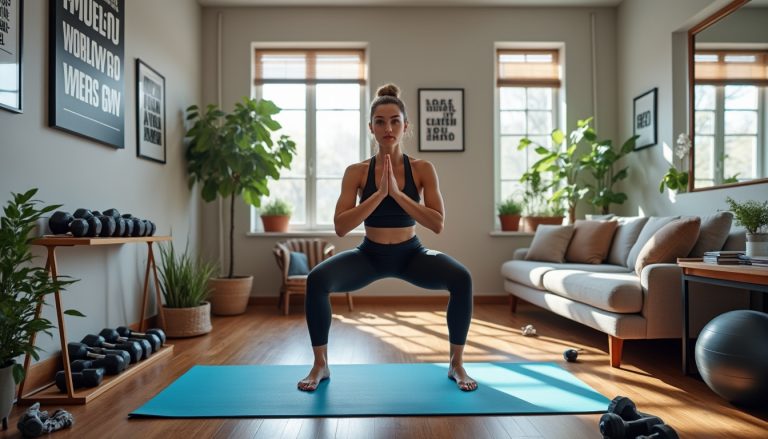
For home training enthusiasts, recovery strategies are just as vital as workouts themselves. Implementing effective techniques can significantly enhance performance and prevent injuries. Start with optimal nutrition; fueling your body with the right nutrients before and after workouts aids in muscle repair and energy replenishment. Massage guns are top-rated tools for post-training recovery, helping relieve muscle tightness and improve blood flow. Additionally, foam rollers are excellent for easing soreness and increasing flexibility after intense sessions. Striking a balance between fitness and recovery is essential, especially for those recovering postpartum. Meal prepping is a best practice that supports home workouts by ensuring that nutritious options are readily available. As you explore home gym design trends, keep in mind that creating a dedicated space can motivate you to prioritize both your training and recovery.
Understanding Recovery Strategies for Home Training Enthusiasts
Recovery is a pivotal component for those engaging in home workouts, serving as a bridge to achieve long-term fitness goals. This article delves into *recovery strategies* tailored for home training enthusiasts. It encompasses essential aspects such as optimal nutrition, the use of massage tools, foam rollers, and practical tips for balancing fitness and recovery. By implementing these strategies, individuals can enhance their workout outcomes while fostering overall well-being.
Essential Components of Home Training Recovery
To effectively recover from home training, one must consider several fundamental aspects. These components work together to ensure that your body heals and prepares for subsequent workouts, allowing for improved performance and reduced risk of injury.
Nutrition: Fueling Your Recovery
A critical aspect of recovery is the right nutrition, as it fuels your body’s healing and rebuilding processes. Proper *nutrition* ensures that your muscles receive the nutrients necessary to repair and grow stronger after strenuous workouts. Focused on macro and micronutrients, a balanced diet rich in proteins, healthy fats, and carbohydrates is indispensable. Include foods like lean meats, fish, eggs, fruits, vegetables, and whole grains. For more insights on optimal nutrition, check out Home Training Essentials for Optimal Nutrition and Recovery.
The Role of Hydration
Dehydration can severely impact recovery. Water supports metabolic processes and helps flush out toxins, enhancing muscle recovery. Always ensure adequate intake before, during, and after your workouts. Tailor your hydration needs based on your workout intensity and duration to maximize your body’s recovery capabilities.
Using Massage Guns for Muscle Recovery
One effective tool for enhancing recovery at home is the *massage gun*. These powerful devices provide percussive therapy that can alleviate muscle soreness and improve blood circulation. Regular use post-exercise diminishes muscle tightness and promotes faster recovery. For a detailed list of top-rated massage guns, explore our recommendations here.
Foam Rolling: An Invaluable Recovery Tool
Incorporating *foam rolling* into your routine can yield substantial benefits for muscle recovery. Foam rollers help release muscle knots and reduce tension, enhancing mobility and flexibility. For an in-depth look at the best foam rollers, check our comprehensive guide here.
Techniques for Effective Foam Rolling
To maximize the benefits of foam rolling, focus on areas prone to tightness such as the legs, back, and shoulders. Spend 1-2 minutes on each muscle group, utilizing slow, controlled movements to alleviate discomfort while ensuring you don’t roll over bony areas. This technique can significantly expedite recovery by increasing blood flow and decreasing delayed onset muscle soreness (DOMS).
Balancing Fitness and Recovery at Home
Achieving a balance between intensive workouts and adequate recovery is essential for sustained progress. Without this equilibrium, you risk overtraining, leading to burnout and injury. For strategies on how to maintain this balance, refer to the insights provided in Balancing Fitness and Recovery at Home.
Implementing Active Recovery Days
Active recovery involves engaging in low-intensity activities such as walking, light yoga, or gentle stretching on days off from your regular training regimen. This practice not only aids in muscle recovery but also promotes blood circulation without overexerting the body. It’s a perfect way to keep moving while allowing your body time to recuperate fully.
Postpartum Recovery Through Home Training
Postpartum recovery presents unique challenges for new mothers aiming to regain their fitness. Tailored strategies focusing on safe exercises, gradually restoring strength, and incorporating recovery practices are crucial. Gentle movements, core stability exercises, and the correct nutrition can significantly aid recovery during this transformative phase.
Connecting with Personal Trainers
Utilizing the expertise of personal trainers can drastically maximize your home training results. These professionals can design customized recovery plans alongside workout strategies that accommodate your specific needs. They can also guide proper forms and techniques, ensuring that recovery methods complement your fitness journey. For practical advice, check out Maximizing Your Home Training Results with Personal Trainers.
Best Practices for Meal Prep for Recovery
Meal prepping emerges as a highly effective strategy for maintaining proper nutrition and supporting optimal recovery. By planning meals in advance, home training enthusiasts can ensure they consume adequate nutrients without resorting to unhealthy options. For actionable meal prep strategies tailored to fitness routines, explore our best practices here.
Creating Balanced Meals
Each meal should contain a mix of carbohydrates, proteins, and healthy fats, tailored to support recovery and energy demands. Preparing ingredients in bulk allows for easy assembly of balanced meals, ensuring that you have nutritious options readily available post-workout.
Embracing Latest Trends in Home Gym Design
Creating a dedicated *home gym* can significantly influence your recovery regime and overall workout experience. Innovative gym designs focus on functionality and comfort, making workouts more enjoyable and productive. Integrating features like proper lighting, ambient music, and sufficient space to move freely can enhance both training and recovery.
Setting Up a Recovery Corner
Designate a specific area in your home gym aimed purely at recovery, equipped with items such as mats, foam rollers, massage guns, and hydration stations. This space encourages you to prioritize recovery as part of your training regimen, making it an effortless part of your routine.
The Psychological Aspect of Recovery
Recovery extends beyond physical attributes; the mental aspect is equally critical. Engaging in mindfulness practices, such as meditation and deep-breathing exercises, can help reduce stress levels and promote relaxation. Such practices enhance not only recovery but also overall mental wellness, creating a more holistic approach to fitness.
Fostering Rest Through Sleep Hygiene
Ensuring adequate and quality sleep is vital for optimal recovery. Establishing a relaxing bedtime routine and maintaining a suitable sleep environment (dark, cool, and quiet) are fundamental components in achieving restful sleep. Consider implementing sleep hygiene techniques to enhance your recovery further.
Many home training enthusiasts are discovering the incredible benefits of incorporating recovery strategies into their routines. One enthusiastic trainer shared, “I never realized how crucial it was to balance my workouts with proper recovery. Since I started using a foam roller after my sessions, my soreness has significantly decreased, allowing me to train more effectively.” This simple tool not only helps in alleviating muscle tension but also fosters a deeper understanding of the body’s needs.
The introduction of massage guns into home recovery practices has garnered rave reviews. A satisfied user mentioned, “After intense strength training, my massage gun has become my best friend. It helps me recover faster, so I can jump back into my workouts without hesitation. The relief it provides is unparalleled!”
Nutrition also plays a vital role in enhancing recovery, according to several enthusiasts. One participant remarked, “I started meal prepping with a focus on fueling my workouts. Since then, I’ve seen a marked improvement in my energy levels and overall performance. It’s amazing how much difference the right food can make.” This insight highlights the importance of proper nutrition during recovery phases.
Balancing workout intensity with recovery time can be challenging. A devoted home trainer mentioned, “Finding the right equilibrium was a game changer for me. I learned to listen to my body, and now I prioritize recovery days, which has not only improved my fitness levels but also my mental well-being.” This thoughtful approach to fitness illustrates how mindfulness can enhance overall training experiences.
For those on a postpartum recovery journey, integrating targeted home training tips has proven beneficial. One new mom shared, “I felt overwhelmed figuring out how to resume training after giving birth. I found information on gentle exercises that aid recovery incredibly helpful, and now I feel stronger and more motivated.” This sense of empowerment is crucial in navigating the postpartum phase.
Finally, the latest trends in home gym design are making adjustments easier by incorporating elements that foster recovery. A fitness enthusiast expressed, “I revitalized my workout space with a focus on recovery, adding soothing colors and comfortable seating to recharge between sets. This has transformed my entire training experience at home.” These design choices underscore the significance of creating an environment that promotes both productivity and recovery.