Overview of Simple Breathing Exercises
|
Overview of Simple Breathing Exercises
Incorporating simple breathing exercises into your home training routine can significantly enhance your overall performance and promote mindfulness. By focusing on your breath, you can improve oxygen flow, reduce stress, and increase relaxation, all of which are essential for effective workouts. Techniques such as diaphragmatic breathing and pursed lip breathing help you regain control and maintain focus during your exercises. Additionally, practices like the 4-8-8 breathing method can provide a calming effect, making it easier to transition into and out of your workouts. Integrating these breathing methods can not only elevate your physical training but also support your mental wellness.
Incorporating breathing exercises into your home training routine can significantly enhance your physical performance and overall well-being. These simple yet effective techniques help improve relaxation, reduce stress, increase focus, and promote mindfulness. This article will guide you through a variety of deep breathing methods that seamlessly fit into your training regimen, ensuring that each session leaves you feeling invigorated and centered. Whether you are a seasoned athlete or just starting your fitness journey, these exercises cater to all levels, enriching your home workouts.
Understanding the Benefits of Breathing Exercises
The practice of breathing exercises is more than a trend; it’s backed by science. As we engage in physical activities, our bodies demand more oxygen. Proper breathing techniques can optimize oxygen intake, improve stamina, and aid in faster recovery. Not only do these exercises enhance physical performance, but they also support mental health by decreasing anxiety and enhancing focus. By integrating these methods into your training, you’re not only improving your lifespan but also enhancing the quality of your workouts.
Pursed Lip Breathing: Simple Yet Effective
Pursed lip breathing is a technique that helps to control your breath, making it particularly beneficial during both physical exertion and recovery periods. To practice, inhale deeply through your nose for a count of two, and then exhale slowly through your mouth for a count of four. Ensuring your lips are pursed, this method not only fosters relaxation but also helps to reduce the rate of breathing during exertion. Incorporating this technique before and after workouts can significantly improve performance and facilitate recovery. For more details on its advantages, visit the American Lung Association.
Diaphragmatic Breathing for Enhanced Oxygen Flow
Diaphragmatic breathing, also known as abdominal or belly breathing, involves engaging the diaphragm thoroughly. This method fosters deeper inhalation, promoting greater oxygen intake. To practice, lie flat on your back with your knees bent. Place one hand on your chest and the other on your abdomen. Inhale through your nose, allowing your abdomen to rise while the chest remains relatively still. Exhale slowly and feel the abdomen fall. This exercise can be especially valuable after vigorous training sessions, enabling your body to fully oxygenate and recover. The Cleveland Clinic provides comprehensive insights into its benefits and techniques.
Box Breathing: Finding Your Center
Box breathing, also known as four-square breathing, is a powerful technique particularly suited for calming the mind. This exercise involves inhaling, holding, exhaling, and holding again for equal counts. For instance, inhale deeply through your nose for a count of four, hold for four, exhale through your mouth for four, and pause for another four before repeating. This method can be used as a warm-up before training to improve concentration or as a cooldown to center your thoughts post-workout. Embracing this technique regularly can significantly enhance mindfulness during demanding routines, making your practice even more rewarding.
Lion’s Breath: Unleashing Your Inner Strength
Lion’s breath is a unique breathing technique that serves dual purposes: invigorating the body while also releasing tension and stress. To practice, kneel comfortably, place your hands on your knees, and inhale deeply through your nose. As you exhale, open your mouth wide, stick out your tongue, and make a “ha” sound, allowing the exhalation to be forceful. This exercise not only helps to clear the airways but also releases pent-up emotions, making it a perfect addition to your workout routine. It’s both energizing and calming, providing balance that enhances the entirety of your training.
Mindfulness Breathing: Connecting Body and Mind
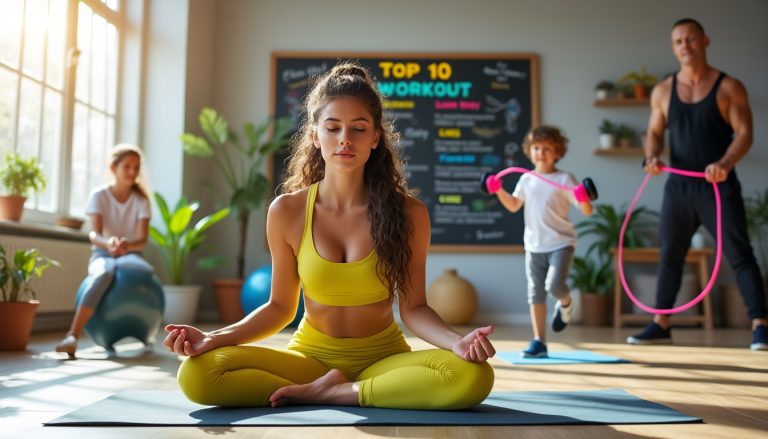
Mindfulness breathing encourages awareness of the present moment and is a fantastic way to integrate relaxation into your home workouts. To practice this technique, simply settle into a comfortable position, close your eyes, and focus on your breath as it flows in and out. Observe the sensations in your body, noting any areas of tension. Gradually, as you become more aware, you can consciously relax those areas and deepen your breath. Mindfulness breathing can create a stronger connection between your breath and movement, allowing you to engage with your body mindfully during training. For strategies on how to effectively implement mindfulness, explore mindfulness practices.
Integrating Breathing Exercises into Your Training Routine
Incorporating breathing techniques into your home workouts can be done in numerous ways. Try starting with a specific breath exercise before your workout to enhance aerobic performance, such as diaphragmatic or box breathing. For example, performing diaphragmatic breathing for five minutes before reaching a physical peak in your routine can set the stage for a strong performance. After your training, dedicate another five minutes to pursed lip breathing or lion’s breath to encourage recovery and relaxation. This duality ensures both health benefits and a balanced approach to fitness.
Breathing Exercises for Recovery
Understanding the importance of recovery is essential for any fitness enthusiast. Utilizing breathing exercises during your cooldown can significantly accelerate recovery. After an intense workout, your body needs to return to a state of calm, and engaging in mindful breathing can help facilitate that transition. Focus on the calming effects of your breath, taking deep, measured inhales and effortless exhales. Techniques like completed breathing, which involves full inhalations and slow, secure exhalations, can effectively support your recovery process. For advice on postpartum recovery through training, check out home training tips.
Cool Down with Breathing Techniques
After completing a workout, it’s crucial to cool down properly. Incorporating structured breathing techniques during this phase can promote relaxation and reduce muscle soreness. One effective method is to practice the 4-8-8 breathing technique: inhale through your nose for four seconds, hold for eight seconds, and then exhale slowly through your mouth for eight seconds. This huge increase in oxygen exchange improves circulation, which is vital for muscle repair and recovery. Post-training, find a quiet space to lay down or sit comfortably, and engage with this technique to maximize benefits.
Ultimately, simple breathing exercises can profoundly impact your fitness routine. By enhancing your home training practices with deep, mindful breathing techniques, you unlock a new level of effectiveness and enjoyment. Each method serves to complement your physical activity, connecting body with breath, and enhancing overall wellness. With consistency, these exercises can have long-lasting benefits, not just in your home workouts but throughout your daily life.
Testimonials on Simple Breathing Exercises to Complement Home Training
“Incorporating simple breathing exercises into my home training routine has transformed my workouts. Not only do I feel more focused, but I also notice that I can push through challenging exercises with greater ease. The techniques I’ve learned, like diaphragmatic breathing, have truly made a difference in my endurance.”
“As someone who often struggles with stress, I find that practicing pursed lip breathing before my sessions keeps my nerves at bay. It’s become a ritual for me. I take a moment to breathe deeply, and it sets the tone for a productive workout. I highly recommend this approach.”
breathing exercises to my fitness regime, I’ve experienced improved recovery after my workouts. One of my favorites is the 4-8-8 technique. It’s simple yet effective, helping my body to relax post-exercise and prepare for the rest of my day.”
“I never thought that something as simple as breathing could enhance my home training. Learning to focus on my breath during workouts not only helps me maintain proper form but also improves my overall emotional well-being. I now feel a deeper connection to my body and my practices.”
“For those who find it difficult to stay consistent with their home workouts, I suggest integrating mindful breathing into your routine. I’ve seen great improvements in my ability to stay motivated and engaged. It allows me to embrace the moment and appreciate my efforts.”